Opening Hours
Monday & Thursday
9:00 AM - 6:00 PM
Tuesday
9:00 a.m. – 5:00 p.m.
Wednesday
9:00 AM - 3:00 PM
Saturdays(Alternate)
8:00 AM – 2:00 PM
Friday & Sunday
Closed

How Stress Can Impact Your Oral Health and What to Do About It
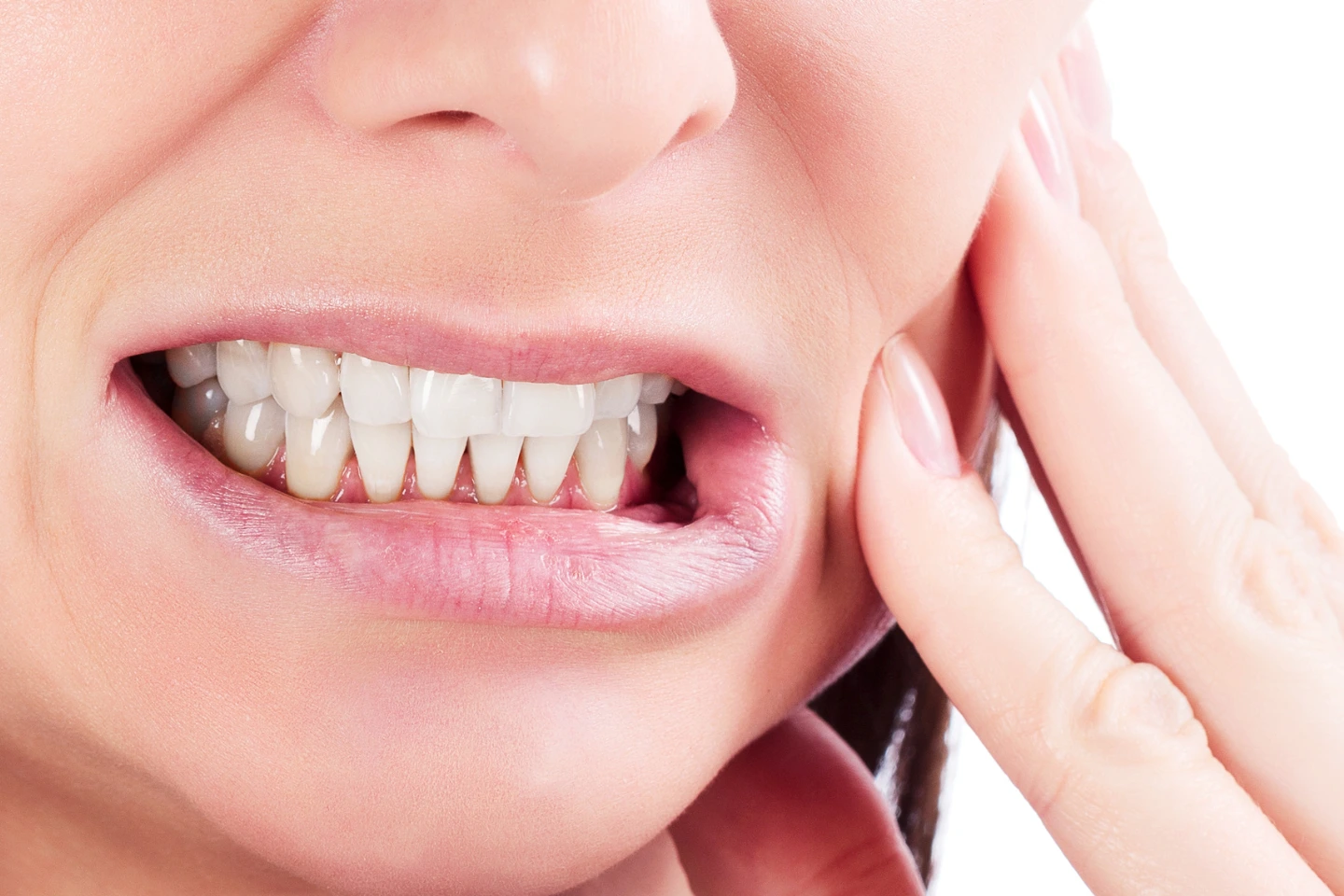
Life gets busy, and sometimes it feels like we are carrying the weight of the world on our shoulders. When we are stressed out, we usually look for signs of it in our sleep patterns, our mood, or maybe a tension headache. However, one of the first places stress actually shows up is in your mouth. Your oral health and your mental well-being are closely tied together.
At Glendale Heights Family Dental, we see many patients who are surprised to learn that their tooth pain or bleeding gums are actually being caused by a stressful season in their lives. As a dedicated family dentist in Glendale Heights, IL, we want to help you understand how your body reacts to pressure and what you can do to protect your teeth.
How Stress Physically Affects Your Mouth
Stress isn't just a feeling in your head; it triggers physical changes throughout your entire body. When you are under pressure, your body releases hormones like cortisol. While these help you deal with immediate "fight or flight" situations, having high levels of these hormones for a long time can do some real damage to your oral health.
Weakening Your Immune System
When you are stressed, your immune system takes a hit. This makes it much harder for your body to fight off the bacteria that naturally live in your mouth. This can lead to more frequent infections or make existing problems, like gum disease, get worse much faster than they normally would. This is why regular visits to a family dentist in Glendale Heights, IL are so important during busy times of your life.
Neglecting Good Habits
Let’s be honest: when we are exhausted or overwhelmed, we tend to skip the small things. You might fall into bed without brushing, or you might start snacking on sugary comfort foods to get through the day. These habit shifts can quickly lead to cavities and plaque buildup. At Glendale Heights Family Dental, we always encourage our patients to stick to their routines, even when life gets messy.
Common Stress-Related Dental Problems
There are several specific ways that stress manifests in your mouth. If you notice any of these issues, it is a good idea to reach out to a family dentist in Glendale Heights, IL, for a checkup.
Teeth Grinding and Clenching (Bruxism)
One of the most common signs of stress is bruxism. Many people clench their jaw during the day or grind their teeth while they sleep without even realizing it. This puts an incredible amount of pressure on your teeth and jaw joints. Over time, this can lead to chipped teeth, worn-down enamel, and a sore jaw.
TMJ Disorders
The temporomandibular joint (TMJ) connects your jaw to your skull. Stress-related clenching can cause this joint to become inflamed. You might notice a clicking sound when you eat or find that your jaw feels "stuck" in the morning. The team at Glendale Heights Family Dental can help diagnose these issues and find ways to give you some relief.
Canker Sores and Cold Sores
Have you ever noticed a painful little bump in your mouth right before a big presentation or a stressful event? These are often canker sores. While they aren't contagious, they are very sensitive and are often triggered by emotional stress or a run-down immune system. Cold sores, which are caused by a virus, also tend to flare up when your body is under too much pressure.
The Connection Between Stress and Gum Disease
Gum disease is an infection of the tissues that hold your teeth in place. As we mentioned, stress makes it harder for your body to fight infections. Research has shown a strong link between high stress levels and an increased risk of periodontal disease.
If your gums are red, swollen, or bleed easily when you brush, it is a sign that something is wrong. As your family dentist in Glendale Heights, IL, we can help clean away the bacteria that cause this inflammation and get your gums back to a healthy state. Ignoring these signs during stressful times can eventually lead to bone loss or even losing a tooth.
Tips to Manage Stress and Protect Your Smile
The good news is that you can take steps to fight back against the effects of stress. Here is some advice from the team at Glendale Heights Family Dental on how to keep your smile bright even when life is tough.
Use a Night Guard
If you are grinding your teeth at night, a custom-made night guard can be a lifesaver. It acts as a soft cushion between your upper and lower teeth, preventing them from wearing each other down. Ask your family dentist in Glendale Heights, IL, about getting a guard that fits comfortably and protects your smile while you sleep.
Practice Relaxation Techniques
It might sound simple, but deep breathing, yoga, or even a short walk can help lower your cortisol levels. If you catch yourself clenching your teeth during the day, try to consciously relax your jaw.
Stay Hydrated
Stress often leads to a dry mouth, either because of the way we breathe when we are anxious or because of certain medications. Saliva is your mouth's natural cleaner, so drink plenty of water to keep things moving and wash away food particles.
Frequently Asked Questions
Q: Can stress cause my teeth to feel loose?
A: Yes, in a way. If stress leads to severe teeth grinding or makes gum disease worse, the structures holding your teeth in place can be damaged. If you feel any movement in your teeth, call Glendale Heights Family Dental right away.
Q: Why do my teeth hurt when I am stressed?
A: Usually, this pain comes from the constant pressure of clenching your jaw. It can make your teeth feel sensitive or achy. A family dentist in Glendale Heights, IL, can check to see if the pain is from grinding or if a cavity has started to form.
Q: Will my canker sores go away on their own?
A: Most canker sores heal within a week or two. However, if they are very painful or happen all the time, we can provide treatments to help them heal faster and reduce the sting.
Q: Is it okay to use an over-the-counter mouthguard?
A: While store-bought guards are better than nothing, they often don't fit well and can be bulky. A custom guard from Glendale Heights Family Dental is designed to fit your specific bite, making it much more effective and easier to wear.
We Are Here to Help You Stay Healthy
At Glendale Heights Family Dental, we know that life happens. We aren't here to judge you if you've missed a few flossing sessions or if stress has taken a toll on your teeth. Our goal is to provide a kind, relaxed environment where you can get your oral health back on track.
Contact Glendale Heights Family Dental Today
Don't let stress ruin your beautiful smile. Whether you need a regular cleaning or you are worried about jaw pain, we are here for you. Give Glendale Heights Family Dental a call to schedule an appointment with a friendly family dentist in Glendale Heights, IL.
Name
*Phone Number
*Message
Glendale Heights Family Dentistry offers comprehensive dental services for all ages. Trust us as your go-to family dentist in Glendale Heights.


Privacy Policy | © 2026 Glendale Heights Family Dental | Digital Marketing by Remedo