Opening Hours
Monday & Thursday
9:00 AM - 6:00 PM
Tuesday
9:00 a.m. – 5:00 p.m.
Wednesday
9:00 AM - 3:00 PM
Saturdays(Alternate)
8:00 AM – 2:00 PM
Friday & Sunday
Closed

Root Planing Recovery: Healing Timeline and Aftercare Tips
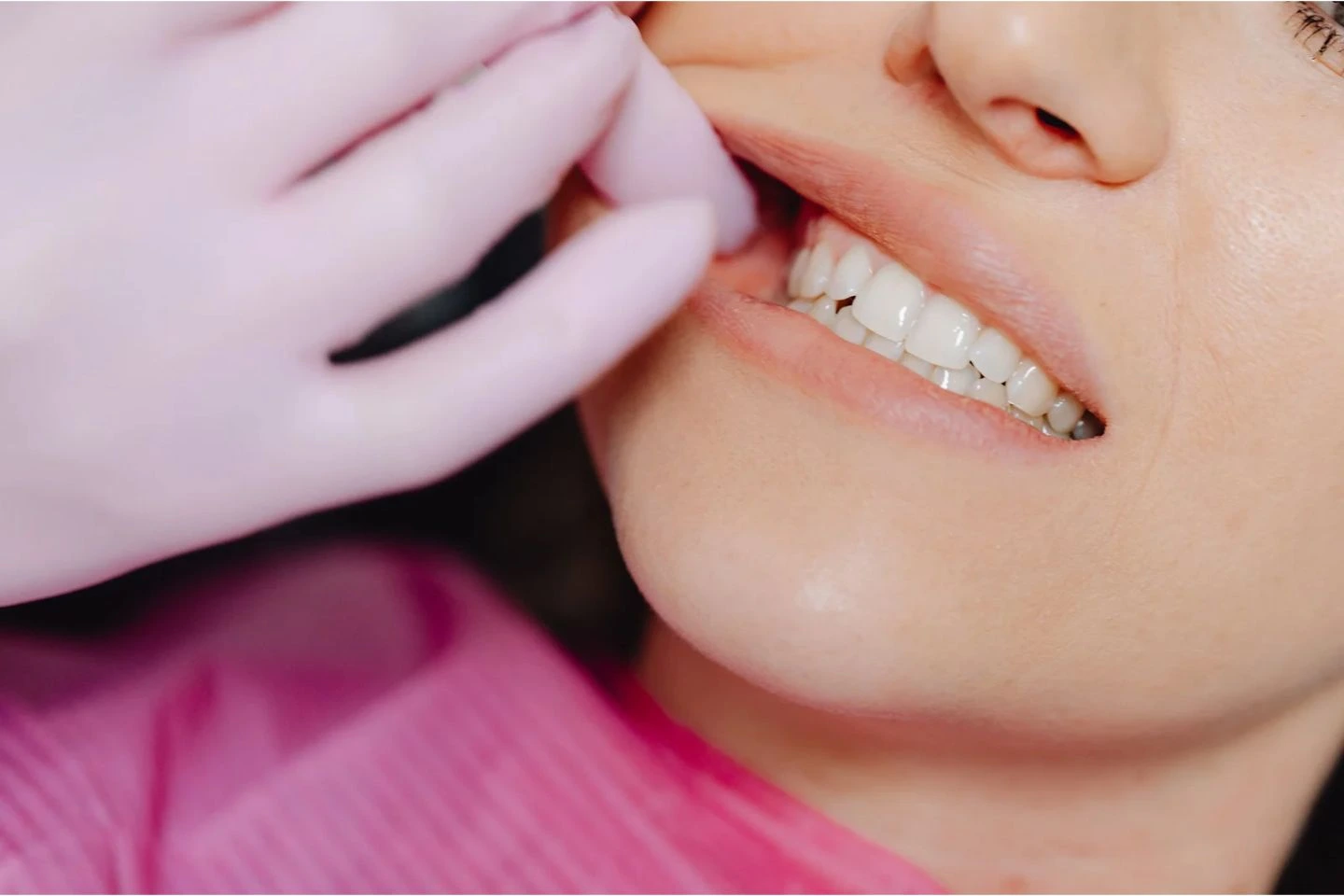
If you have a root planing appointment coming up, or you just finished one, knowing what recovery actually looks like can take a lot of the uncertainty out of the process. Root planing is a deeper procedure than a standard cleaning, since it involves smoothing the root surfaces below the gumline to remove bacteria and help gum tissue reattach more firmly to the tooth. Because of that, there is a real healing period afterward, though it is generally much shorter and more manageable than people expect.
Whether you are preparing for root planing in Glendale Heights, IL, or you are a few days into recovery and wondering if what you are feeling is normal, here is a practical look at the healing timeline and what tends to help the process go smoothly.
What to Expect in the First 24 to 48 Hours
The first day or two after root planing is usually when gums feel the most sensitive. Some tenderness, mild swelling, and sensitivity to hot or cold are common, particularly since the procedure involves working directly on the root surfaces beneath the gumline. Slight bleeding when brushing gently in the treated area is also normal during this window.
Most dentists recommend sticking to soft, lukewarm foods for the first day or so following root planing in Glendale Heights, IL, since chewing directly on tender areas can be uncomfortable while the gums are still settling from treatment. Over-the-counter pain relief is usually enough to manage any discomfort during this stage, though your dentist may give specific recommendations based on the extent of your treatment.
The First Week of Healing
By the middle to end of the first week, most patients notice a fairly clear improvement in tenderness and sensitivity. Gum tissue begins the process of reattaching more closely to the tooth surface during this stage, which is really the main goal of root planing in the first place. Some lingering sensitivity to temperature, especially near the gumline, can persist a bit longer and generally continues to improve gradually.
Keeping up with gentle oral hygiene during this first week matters quite a bit. Brushing softly with a soft-bristled brush and flossing carefully, even though it might feel slightly uncomfortable at first, actually supports healing rather than working against it, since keeping the area clean prevents new bacteria from interfering with the reattachment process.
Two to Four Weeks Out
Most of the noticeable healing from root planing in Glendale Heights, IL has generally settled by the two- to four-week mark. Gums often appear less inflamed, tighter around the teeth, and less prone to bleeding during regular brushing and flossing compared to before treatment. This is also typically when a dentist may schedule a follow-up visit to check how the gum tissue has responded and measure whether pocket depths around the teeth have improved.
If multiple areas of the mouth were treated across separate appointments, which is common for more extensive periodontal cases, this timeline can shift slightly depending on when each quadrant or section was treated.
Signs Recovery Is Going as Expected
A smooth recovery from root planing generally follows a pattern of steady improvement rather than staying the same or worsening after the first few days. Reduced bleeding when brushing, gums that feel less puffy or tender, and gradually decreasing sensitivity are all good signs that healing is progressing normally.
It is also normal for gums to feel slightly different for a while, sometimes described as tighter or a bit more sensitive near the treated areas, even after the initial healing period has passed. This tends to settle further over the following weeks as the tissue fully adjusts.
When to Contact Your Dentist During Recovery
While some discomfort is expected, certain signs are worth reporting rather than waiting it out. Pain that gets noticeably worse instead of better after the first few days, persistent or heavy bleeding, pus or discharge near the treated area, or fever are all reasons to reach out to your dentist promptly. These signs are uncommon after root planing in Glendale Heights, IL, but catching them early makes any needed follow-up care more straightforward.
If sensitivity seems unusually intense or is not improving at all after a week or two, that is also worth mentioning at your follow-up visit, since your dentist can evaluate whether anything needs additional attention.
Practical Aftercare Tips for a Smoother Recovery
A few simple habits tend to make a real difference during recovery. Rinsing gently with warm salt water, starting a day or so after treatment if your dentist recommends it, can help soothe the area without disrupting healing tissue. Avoiding very hot, cold, spicy, or crunchy foods for the first several days reduces unnecessary irritation while the gums are still tender.
Sticking with your regular brushing and flossing routine, adjusted to be gentler around treated areas, supports healing rather than delaying it, so avoiding oral hygiene altogether is generally not the right approach even though it might feel more comfortable in the short term. Keeping any scheduled follow-up appointments after root planing in Glendale Heights, IL also plays an important role, since these visits let your dentist confirm healing is on track and address anything that needs attention.
Schedule Your Root Planing Follow-Up With Glendale Heights Family Dental
If you are recovering from root planing and have questions about what you are experiencing, or you are due for a follow-up visit to check on your healing progress, Glendale Heights Family Dental is a good place to get clear answers. Our team provides root planing in Glendale Heights, IL, along with the follow-up care needed to support a smooth recovery. Reach out to Glendale Heights Family Dental today to schedule your appointment.
Frequently Asked Questions About Root Planing Recovery
Q: How long does it take to fully recover from root planing?
A: Most of the noticeable healing occurs within the first two to four weeks, though gum tissue can continue adjusting gradually for a while after that.
Q: Is it normal for gums to bleed a little after root planing?
A: Some mild bleeding in the first day or two is common, especially with gentle brushing. Bleeding should steadily decrease rather than worsen as healing progresses.
Q: Can I brush and floss normally right after root planing?
A: A gentler approach is recommended in the treated areas initially, but continuing to brush and floss, just more carefully, actually supports healing rather than interfering with it.
Q: What foods should I avoid during recovery?
A: Very hot, cold, spicy, or crunchy foods are generally best avoided for the first several days, since they can irritate tender gum tissue while it is healing.
Q: Will I need a follow-up appointment after root planing?
A: Yes, most dentists schedule a follow-up visit a few weeks after treatment to check healing progress and measure how well the gum tissue has responded.
Q: When should I be concerned about my recovery?
A: Worsening pain, heavy or persistent bleeding, discharge, or fever are signs worth contacting your dentist about promptly rather than waiting to see if they resolve on their own.
Name
*Phone Number
*Message
Glendale Heights Family Dentistry offers comprehensive dental services for all ages. Trust us as your go-to family dentist in Glendale Heights.


Privacy Policy | © 2026 Glendale Heights Family Dental | Digital Marketing by Remedo