Opening Hours
Monday & Thursday
9:00 AM - 6:00 PM
Tuesday
9:00 a.m. – 5:00 p.m.
Wednesday
9:00 AM - 3:00 PM
Saturdays(Alternate)
8:00 AM – 2:00 PM
Friday & Sunday
Closed

Periodontal Scaling vs Regular Dental Cleaning: What's the Difference?
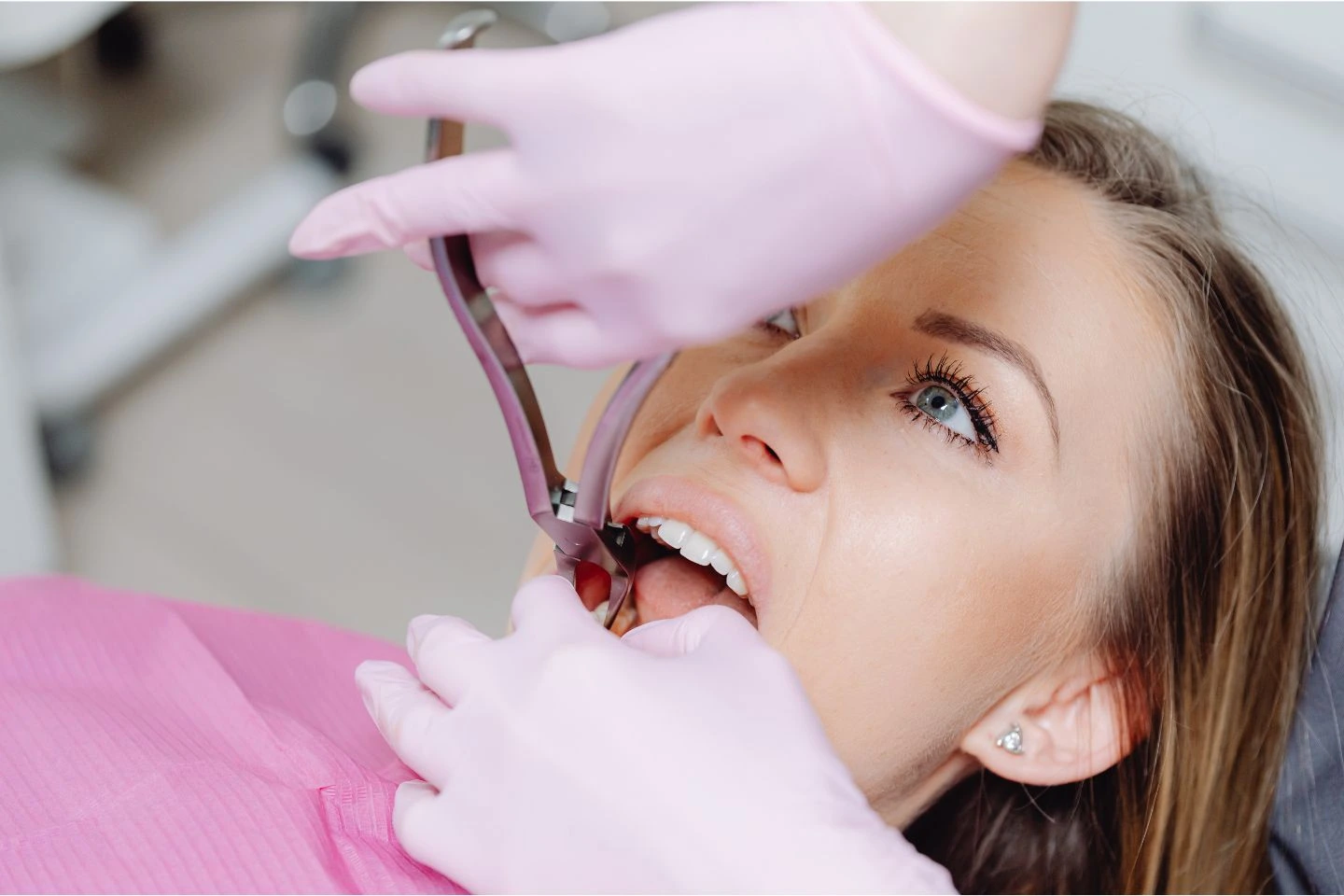
You went in for what you thought was your usual cleaning, and now your dentist is talking about scaling and root planing instead. Confusing, right? A lot of patients hear these terms tossed around and assume they're basically the same thing with a fancier name. They're not. Periodontal scaling vs regular dental cleaning is actually a meaningful distinction, and understanding it can help you know exactly why one is being recommended over the other for your specific situation. If you're weighing your options for periodontal scaling in Glendale Heights, IL, this breakdown should clear up most of the confusion.
What Is a Regular Dental Cleaning, Exactly?
A regular dental cleaning, sometimes called a prophylaxis, is the routine cleaning most people get every six months. It focuses on removing plaque and tartar from the visible surfaces of your teeth, above the gum line, along with polishing to clear away surface stains. This type of cleaning is meant for people whose gums are healthy or close to it, without significant pockets forming between the teeth and gums. It's fairly quick, generally doesn't require numbing, and is really about maintaining a healthy baseline rather than treating an existing problem.
What Makes Periodontal Scaling Different?
Periodontal scaling, often paired with root planing, goes a lot deeper, literally. Instead of focusing only on the parts of your teeth you can see, scaling targets the root surfaces below the gum line, where plaque and tartar have built up in pockets formed by gum disease. This procedure is recommended once gum disease has progressed past the earliest stage, when those pockets have deepened enough that a regular cleaning simply can't reach the buildup causing ongoing inflammation. Root planing smooths the root surface itself, which helps gum tissue reattach more securely once the area is clean. When people compare periodontal scaling vs regular dental cleaning, this depth of treatment is really the core difference.
How Do You Know Which One You Actually Need?
This comes down to the health of your gums, not personal preference. During a checkup, your dentist or hygienist measures the depth of the pockets around each tooth using a small probe. Healthy pockets usually measure around one to three millimeters, and a regular cleaning is generally sufficient for maintaining that level of health. When pockets measure four millimeters or deeper, especially if they're accompanied by bleeding, tartar buildup below the gum line, inflammation, or bone loss visible on X-rays, your dentist may recommend periodontal scaling. These findings together help determine whether a deeper cleaning is the most appropriate treatment for your gum health.
Local dentists offering periodontal scaling in Glendale Heights, IL typically walk patients through these measurements during a routine exam so nothing feels like a surprise.
Does Periodontal Scaling Take Longer Than a Regular Cleaning?
Generally, yes. A standard cleaning often wraps up in around 30 to 45 minutes, sometimes even less if there isn't much buildup to address. Periodontal scaling tends to take longer since it involves more precise work below the gum line, and depending on how much of the mouth needs treatment, it's sometimes split across two appointments, treating one side of the mouth during each visit. Numbing is also typically used for scaling, which adds a bit of time to the appointment compared to a regular cleaning that usually skips anesthesia entirely.
Comfort Level: Periodontal Scaling vs Regular Dental Cleaning
Regular cleanings are usually pretty comfortable for most patients, involving mild scraping sensations and the buzz of a polishing tool, nothing most people find particularly bothersome. Periodontal scaling tends to involve more sensation since it's working below the gum line in tissue that's often already inflamed from gum disease. With local anesthesia, most patients find scaling more manageable than they expected going in, though some soreness and sensitivity for a day or two afterwards is common, which isn't typically the case following a routine cleaning.
How Often Is Each Type of Cleaning Needed?
Most people with healthy gums stick to a regular cleaning schedule of about twice a year. Once periodontal scaling has been performed, follow-up care often shifts to a more frequent schedule, sometimes every three to four months, since gums that have experienced disease need closer monitoring to prevent things from progressing again. This more frequent schedule is sometimes called periodontal maintenance, and it's a bit different from either a standard cleaning or the initial scaling procedure, functioning more as ongoing care once the deeper cleaning has addressed the original buildup.
Can Gum Disease Come Back After Periodontal Scaling?
It can, particularly if oral hygiene habits and follow-up care aren't kept up afterwards. This is really why the more frequent periodontal maintenance schedule matters so much once scaling has been done. Good brushing and flossing at home, along with sticking to whatever follow-up schedule your dentist recommends, gives your gums the best chance of staying healthy after treatment. Skipping maintenance appointments or letting home care habits slip can allow the same pockets and buildup to develop again over time.
Why This Distinction Actually Matters for Your Gum Health
Understanding the difference between periodontal scaling vs regular dental cleaning isn't just trivia; it actually affects how you approach your own oral health. Knowing that scaling addresses an active issue rather than just routine maintenance can help explain why your dentist might recommend a different appointment schedule or additional care steps compared to what you're used to. It also helps set realistic expectations for what each appointment will actually involve, from time commitment to comfort level to what recovery looks like afterwards.
Not Sure Which Cleaning You Need? Ask Glendale Heights Family Dental
If you are unsure whether you need a routine cleaning or periodontal scaling in Glendale Heights, IL, the team at Glendale Heights Family Dental can evaluate your gum health and recommend the right path forward. Reach out today to schedule an appointment and keep your smile on track for the long term.
FAQs About Periodontal Scaling vs Regular Dental Cleaning
Q: How do I know if I need periodontal scaling instead of a regular cleaning?
A: Your dentist determines this by measuring the depth of pockets around your teeth and checking for signs like bleeding, tartar below the gum line, or bone loss on X-rays. Pockets of four millimeters or more often indicate scaling is needed.
Q: Is periodontal scaling more expensive than a regular cleaning?
A: Generally yes, since it's a more involved procedure that takes longer and addresses an existing condition rather than routine maintenance. Costs vary, so it's worth checking with your dental office and insurance provider directly.
Q: Can I ask for periodontal scaling even if my dentist recommends a regular cleaning?
A: Scaling is recommended based on the actual condition of your gums, so your dentist will guide you toward the appropriate treatment based on what they find during your exam.
Q: Will I need periodontal scaling again in the future?
A: It depends on how well gum health is maintained afterwards. Consistent home care and keeping up with periodontal maintenance appointments can help reduce the chances of needing scaling again.
Q: Does insurance typically cover periodontal scaling?
A: Many dental insurance plans do cover periodontal scaling, often at a different rate than a routine cleaning, since it's classified as a treatment for an existing condition. Checking with your specific plan is the best way to know for sure.
Name
*Phone Number
*Message
Glendale Heights Family Dentistry offers comprehensive dental services for all ages. Trust us as your go-to family dentist in Glendale Heights.


Privacy Policy | © 2026 Glendale Heights Family Dental | Digital Marketing by Remedo