Opening Hours
Monday & Thursday
9:00 AM - 6:00 PM
Tuesday
9:00 a.m. – 5:00 p.m.
Wednesday
9:00 AM - 3:00 PM
Saturdays(Alternate)
8:00 AM – 2:00 PM
Friday & Sunday
Closed

Does Periodontal Scaling Hurt? What to Expect During Treatment
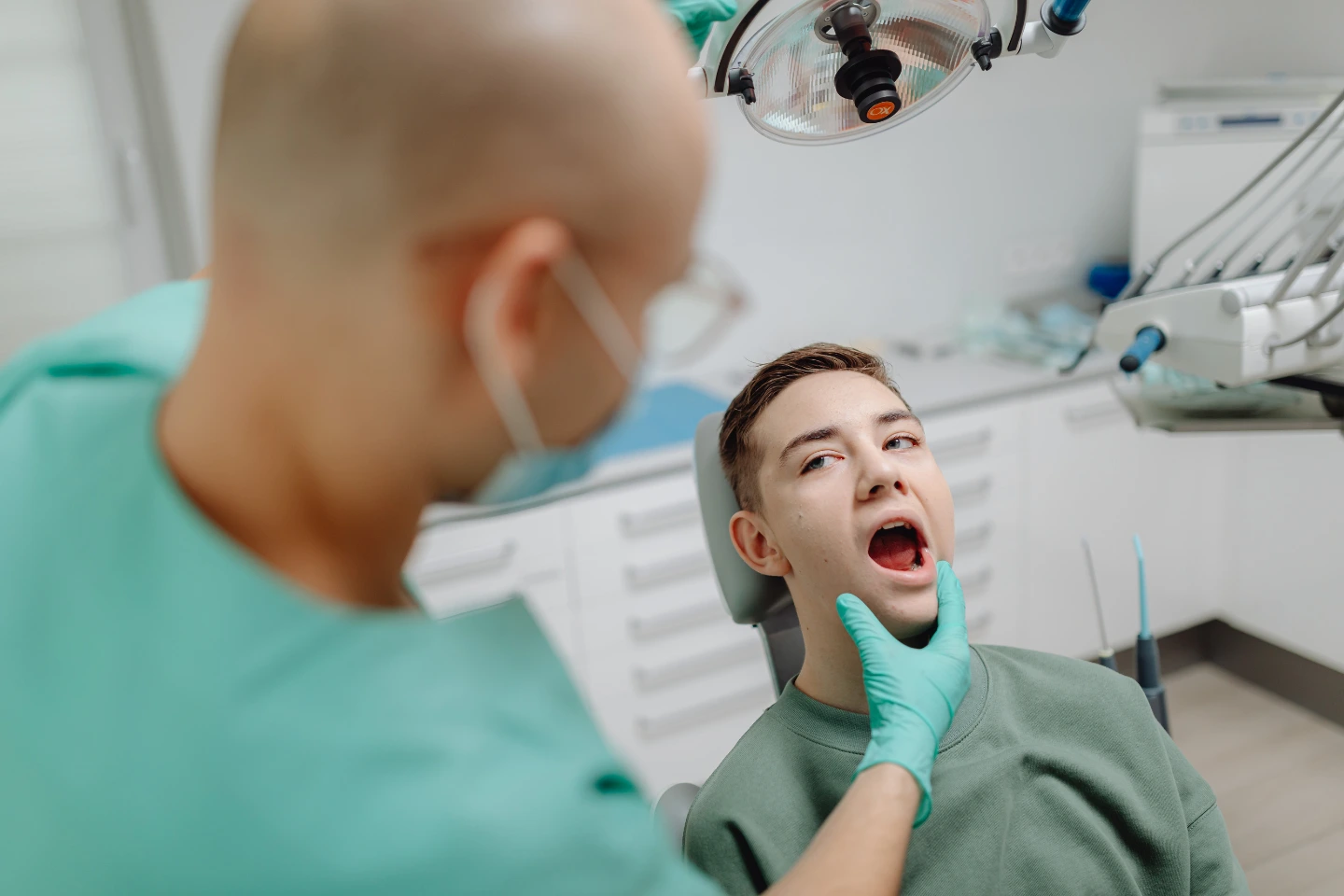
Your dentist just mentioned the word scaling, maybe alongside root planing, and now you're sitting there wondering exactly what that means for the next hour of your life. Does periodontal scaling hurt? It's one of the most common questions patients bring up once they hear this treatment is on the schedule, and it's a completely fair one to ask. Let's walk through what actually happens during scaling, how much discomfort is realistically involved, and what recovery tends to look like afterwards.
What Is Periodontal Scaling and Why Would You Need It?
Periodontal scaling is a deep cleaning procedure used to remove plaque and tartar buildup from below the gum line, in areas a regular cleaning simply can't reach. It's typically recommended once gum disease has progressed beyond the earliest stage, when pockets have started forming between the teeth and gums where bacteria collect and cause ongoing inflammation. Unlike a standard cleaning that focuses on the visible surfaces of your teeth, periodontal scaling goes deeper, targeting the root surfaces themselves to remove buildup that's contributing to gum irritation and bone loss around the teeth.
Does Periodontal Scaling Hurt? Here's What Most Patients Experience
One of the most common questions patients ask is whether periodontal scaling hurts. With local anesthesia to keep the area numb, most people experience little to no pain and describe the procedure as comfortable overall. Some pressure and vibration from the instruments is normal to feel, since the process involves working along the root surface beneath the gum line. Areas with more advanced gum disease or deeper pockets sometimes feel more sensitive during treatment, even with numbing, simply because the tissue is already inflamed. If discomfort during the appointment feels sharper than expected, letting your hygienist or dentist know right away allows them to adjust, whether that means additional numbing or a brief pause.
What Actually Happens During a Scaling and Root Planing Appointment?
The appointment usually starts with numbing the treatment area, sometimes just one section of the mouth at a time depending on how extensive the buildup is. Your dentist or hygienist then uses specialized instruments, either manual scalers or an ultrasonic device that uses vibration to loosen tartar, to clean along and beneath the gum line. Root planing, which often happens alongside scaling, smooths the root surface itself, making it harder for bacteria to reattach and giving your gums a better chance to reattach snugly against the tooth. Depending on how much of your mouth needs treatment, this might be completed in one visit or split across two appointments, treating one side of the mouth at a time.
What Does Recovery Feel Like After Periodontal Scaling?
Once the numbness wears off, mild soreness, tenderness, or sensitivity to hot and cold is pretty common for a day or two. Some light bleeding when brushing during the first day or so isn't unusual either, since the gum tissue has just been worked on directly. Most people find that over-the-counter pain relief, if needed at all, is enough to manage any lingering discomfort. Swelling is generally minimal, and most patients are back to normal eating and daily activities the same day, though sticking to softer foods for the first day can make things more comfortable while the area settles.
How to Manage Discomfort After Scaling and Root Planing
A few simple steps tend to help quite a bit during recovery. Rinsing gently with warm salt water a couple of times a day can soothe irritated tissue and support healing. Avoiding very hot, cold, or spicy foods for the first day or two helps reduce unnecessary sensitivity while things calm down. Brushing gently rather than skipping it altogether is important too, since keeping the area clean actually supports healing, just with a lighter touch than usual right around the treated gums. If your dentist prescribed an antimicrobial rinse or gave specific aftercare instructions, following those closely tends to make the recovery period smoother overall.
What Happens If Gum Disease Is Left Untreated Instead?
This is really the flip side worth considering. Untreated gum disease tends to progress, with pockets deepening further and more bone loss occurring around the affected teeth over time. Eventually, this can lead to loose teeth or, in more advanced cases, tooth loss. Periodontal scaling is really aimed at interrupting that progression while it's still manageable, which is part of why dentists tend to recommend it fairly promptly once gum disease reaches a certain stage rather than waiting to see how things develop on their own.
Concerned About Gum Health? Contact Glendale Heights Family Dental
If you've noticed bleeding gums, sensitivity, or your dentist has mentioned scaling and root planing, the team at Glendale Heights Family Dental is here to walk you through exactly what to expect and help get your gum health back on track. Reach out today to schedule a consultation and take the next step toward a healthier smile.
FAQs About Periodontal Scaling
Q: Does periodontal scaling hurt more than a regular teeth cleaning?
A: It typically involves more sensation than a routine cleaning since it reaches below the gum line, though local anesthesia usually keeps discomfort during the procedure fairly minimal.
Q: How long does soreness last after scaling and root planing?
A: Mild soreness or sensitivity generally lasts a day or two, though this can vary depending on how advanced the gum disease was before treatment.
Q: Will I need more than one appointment for periodontal scaling?
A: It depends on how much of the mouth needs treatment. Some patients complete everything in one visit, while others are treated in two sessions, covering one side of the mouth at a time.
Q: Can I eat normally right after periodontal scaling?
A: Softer foods are usually recommended for the first day while numbness wears off and gum tissue settles, after which most patients return to their regular diet.
Q: How often will I need periodontal scaling done?
A: This depends on how well gum health is maintained afterwards. Some patients need occasional maintenance cleanings more frequently than a typical six-month schedule, based on their dentist's recommendation.
Name
*Phone Number
*Message
Glendale Heights Family Dentistry offers comprehensive dental services for all ages. Trust us as your go-to family dentist in Glendale Heights.


Privacy Policy | © 2026 Glendale Heights Family Dental | Digital Marketing by Remedo